A hotel website is the first room your guests walk into. Long before they see the sea from the balcony, they have already decided, on a phone screen, whether your place feels like them. That is why asking what a website costs is a little like asking what a room costs: it depends on what you want people to feel when they open the door. Here is how we think about it, and where the money actually goes.
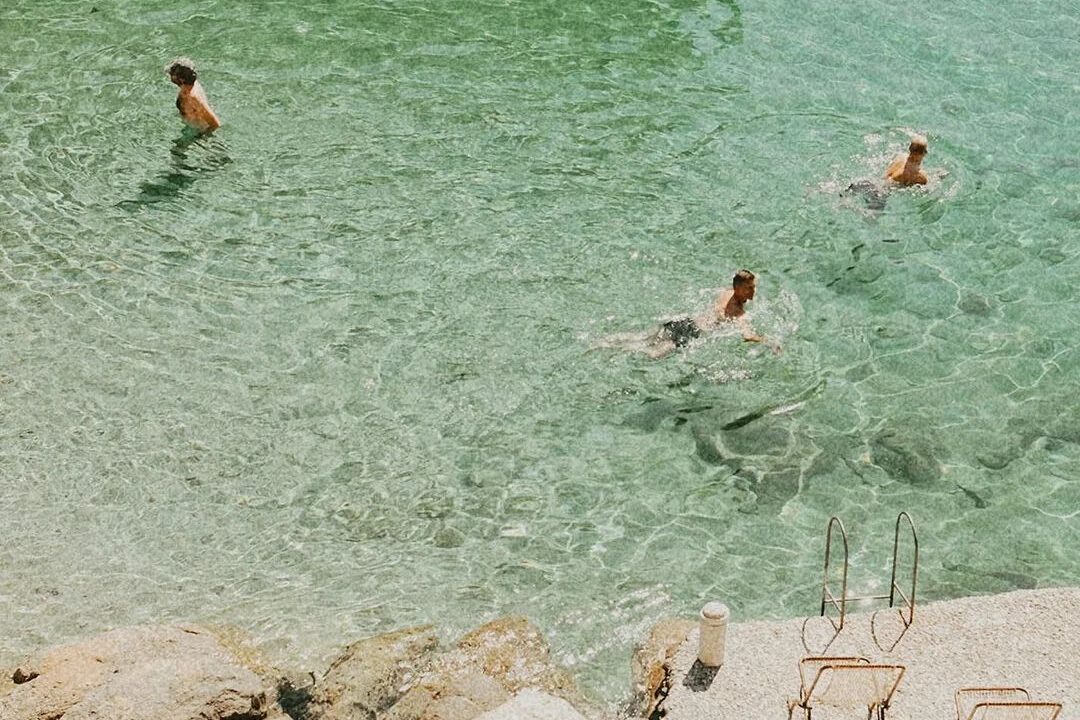
The Wild Hotel by Interni, Mykonos. Website by Fabulous.
So, what does it cost?
A template website for a small hotel costs €1,500–3,000. A website designed from a blank page, for a hotel or villas of up to 30 rooms, costs €4,000–8,000, and a larger resort with several languages and integrations starts at around €10,000. On top of that, budget €500–1,500 a year to keep it running well.
What are you actually paying for?
A hotel website is not a brochure. It is the only booking channel you own, and the price is made of five parts:
- Design. The look, the layout of every page, and the way rooms and photos are presented.
- Development. Building it fast, accessible and easy to edit, for phones first.
- Booking engine. Connecting the tool you already use, such as WebHotelier or SiteMinder, so guests book without leaving your brand.
- Content and languages. Room texts, translations and photography.
- Search setup. Technical SEO, your Google Business Profile, analytics and the tracking your ads need.
Template or designed from scratch?
A template is cheaper and quicker, and for three new rooms it can be the right start. Its limits show later. Your site looks like hundreds of others, it carries code you never use, which makes it slower, and every change outside the template costs more than it should.
Guests compare five hotels in ten minutes. The one that looks different, and opens fast on a phone, is the one they remember. That is why we design every site from a blank page, and why we will also tell you honestly when a template is enough.
What makes the price go up?
- Languages. Each one is more than a translation: rooms, policies, emails and SEO all have to be done again. Most Greek hotels need two or three.
- Pages. Room types, villas, restaurant, spa, weddings, experiences. Each is a page to design and write.
- Photography. Without good photos even the best design falls flat. A professional shoot costs €800–2,500 and is the best money you will spend.
- Integrations. Booking engine, channel manager, restaurant reservations, newsletter, gift vouchers.
What does it cost to run every year?
| Per year | |
|---|---|
| Hosting, security and backups | €200–600 |
| Updates and small changes | €300–900 |
| Domain and SSL | €20–50 |
| Booking engine | Monthly fee or commission, set by the provider |
Ask any agency what is included after launch. A site that no one looks after gets slower and less secure every season.
Does a better website pay for itself?
Booking.com and the other OTAs keep 15–18% of every booking. A direct booking through your own site costs you only the booking engine fee.
A hotel that moves 100 bookings a year, at an average of €700 each, from the OTAs to its own website keeps between €10,000 and €12,500 more, every year. That is more than the website costs, and it repeats. Design is what makes a guest trust you enough to book direct; search and ads are what bring them to you in the first place.
How do you get an accurate quote?
Send us four things: the number of rooms or units, the languages you need, the booking engine you use, and two or three hotel websites you like. With these we can give you a clear price within a few days, with no surprises later.